
Success, it is said, is a matter of mindset, but what mindset actually is, precisely, we have not yet understood, otherwise we would know how to replicate a success mindset. And yet businesses and fortunes continue to be interrupted from generation to generation, despite centuries of attempts, schools, consultants and dynasties trained to last. It is the problem I call Legacy Disruption — and it remains unresolved.
The mistake of those who tried to describe mindset and replicate it was to treat it as a scientific thing rather than a thing of the spirit: to study how the mind works instead of the premises that determine it. Models are not lacking. The object is lacking: because psychology can measure how one reasons, it cannot see from where one reasons — and that "from where" is the creed, and the creed is not a psychic fact, it is a pneumatological fact.
Pneumatology: everything that concerns who we are and how we function at an abstract level (soul-spiritual) - It has nothing to do with the religious-theological view of the church and priests.
Man has always asked himself who he is and what the meaning and purpose of his life are, because he knows that the answers to these questions are the key to reaching the peak of his fulfillment. These questions concern who we are at a pneumatological level.
Reasoning and thoughts are the consequence of the processing of information that our mind acquires and stores through experiences. This storage, I imagine, happens hierarchically, forming a web-like structure that resembles an inverted cone. The further down we go toward the vertex of this cone, the less information we find, but the more important it is at the level of mindset, because it influences reasoning more.
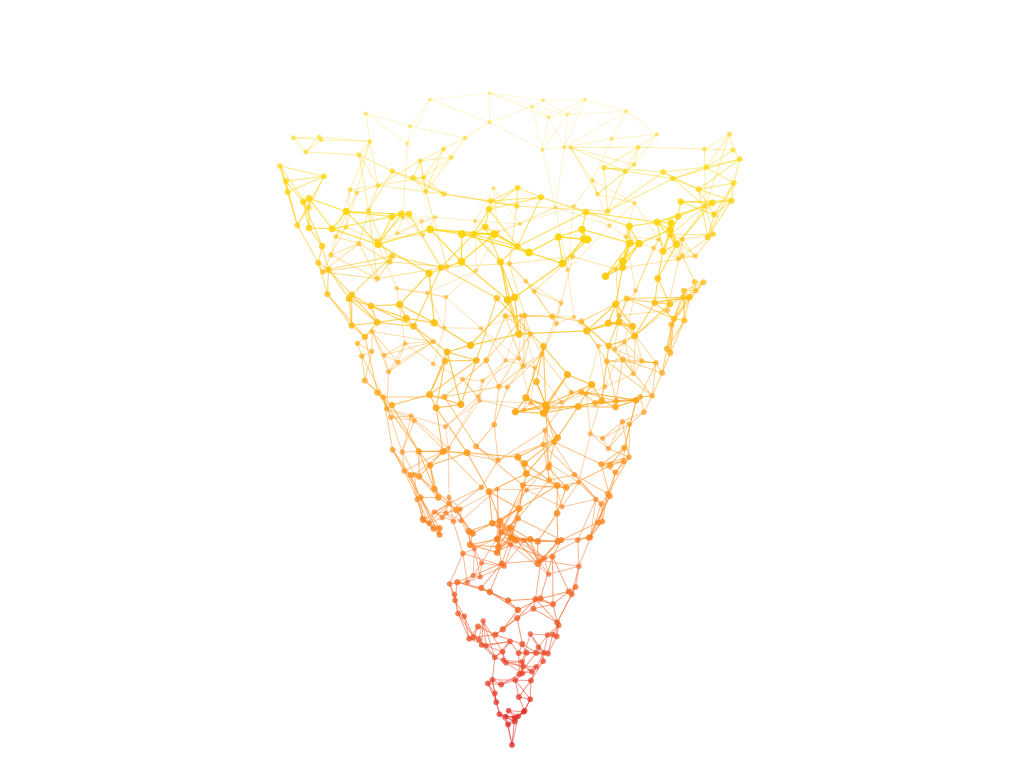
This is the cognitive-conceptual structure of the human mind that I consider the DNA of the soul, on the basis of which I am developing SUG-X-17, an MCP module that aligns artificial intelligences with the Super Human creed, making them in effect entities capable of educating man to live life to the fullest.